Hi, thank you for visiting my site. I have a few resources here for people who have experienced trauma, and those who want to prevent it.
Grateful to you all.
Jeff
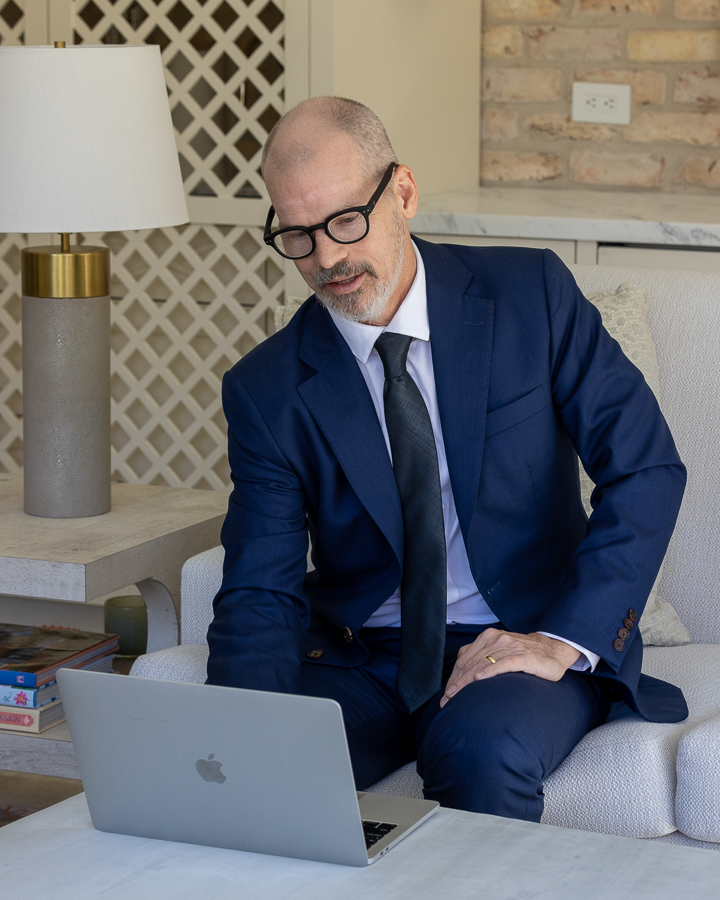
"Can I talk to you about something that happened to me when I was a kid?"
Dear Reader,
Right now, most people are not ready to be on the receiving end of a conversation about childhood sexual abuse. In real life, these conversations are often raised with little warning, and they can be scary for both participants.
I am writing to you about how to make this conversation a good one. Good for the person who is risking so much by asking this question, and good for you too, the witness they have chosen among all the other people they know.
Let's sit for a minute with what is happening right now.
Your loved one had a serious trauma in their childhood that they cannot forget and they still live with. One they kept a secret. And there were good reasons they kept it a secret too. Among them, their own shame (completely undeserved but still very real to them) and their knowledge that it would change how people would see them from then on.
Despite how common childhood sexual abuse is, the culture we live in does little to get us ready to have this conversation. Which is remarkable, considering childhood sexual abuse happens to 1 in 4 girls and 1 in 13 boys, and these statistics may even undercount the real numbers.
So what should you do to prepare as the receiver and the witness? It's actually pretty simple.
If you do nothing else, listen. Your loved one needs a witness. Understand that you do not have to offer a solution. You don't have to fix anything. You can't anyway, and that's not what they want or need. They no longer want to be completely alone with what happened to them. Your first and most important job is to listen. To receive what happened and to share the knowledge of it with your loved one. And don't press for details. Let them tell you only as much as they choose, at their own pace.
That's it.
Tell them the truth. The truth that it wasn't their fault no matter what. Part of them might think it was. I say "part of them" because sometimes there's a difference between intellectually knowing it wasn't one's fault, and feeling like it wasn't. Often your loved one will intellectually know it wasn't their fault, but they will still feel like it was. It's good for them to hear the truth from someone they trust that they were just a kid and it wasn't.
Tell them you believe them. During the time the abuse was happening, they probably didn't speak up at least in part because they thought no one would believe them, and it would just make things worse. Childhood sexual abuse is psychologically terrifying when it's happening. A child's innocent mind cannot process all the contradictory feelings and thoughts that accompany the physical acts. So say you believe them and mean it. It takes tremendous courage to talk about it now, and they would not be initiating this conversation for no reason.
Tell them you will keep this knowledge in confidence. Unless they tell you it's okay to talk about it, this is not your secret to give away. Honor your loved one's request about confidentiality. I can't tell you how important it is to not treat this like any other conversation. It isn't. You get to retell it only with their permission. It is their telling, not yours.
Then listen, take a deep breath and listen. This is a critical moment in your loved one's life. It is a critical moment in yours too. A first telling will only happen once. You and your loved one will likely remember this moment forever, and it can pave the way for a stronger relationship and a path to healing.
How do I know this? By virtue of my vocation, I have had the honor of being on the receiving side of first tellings too numerous for me to count. From the bottom of my heart, I hope this helps you and your loved one have a conversation that brings you closer and brings healing to your loved one who has suffered alone for too long.
Jeffrey D. Meyer
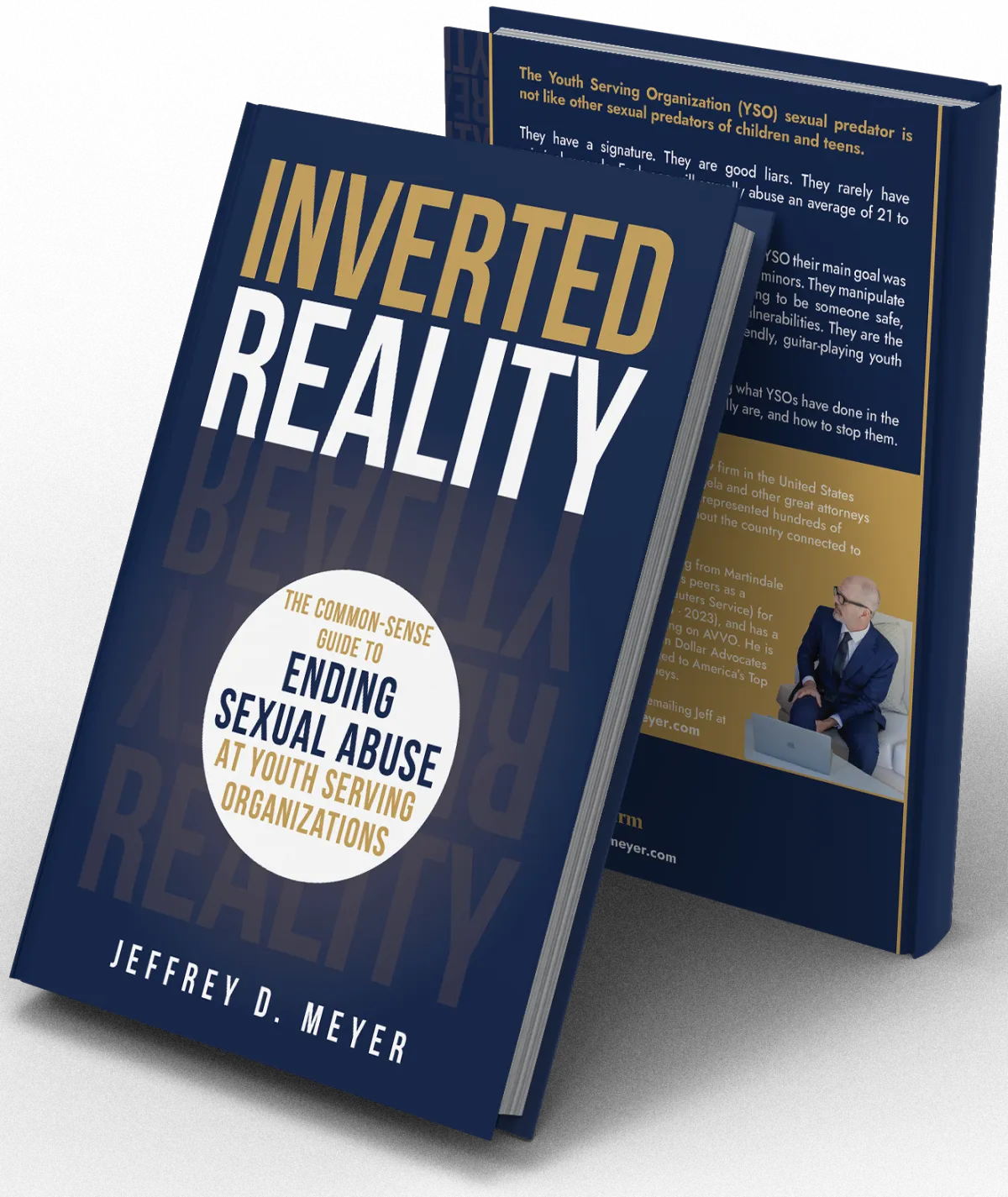
Inverted Reality
The Common-Sense Guide to Ending Child Sexual Abuse at Youth-Serving Organizations
A guide for parents, advocates, and anyone who wants to understand how abuse happens in schools, camps, religious organizations, and sports teams, and what actually prevents it.
Explore your legal options
Reach out to me

FOLLOW JEFF


SOURCES
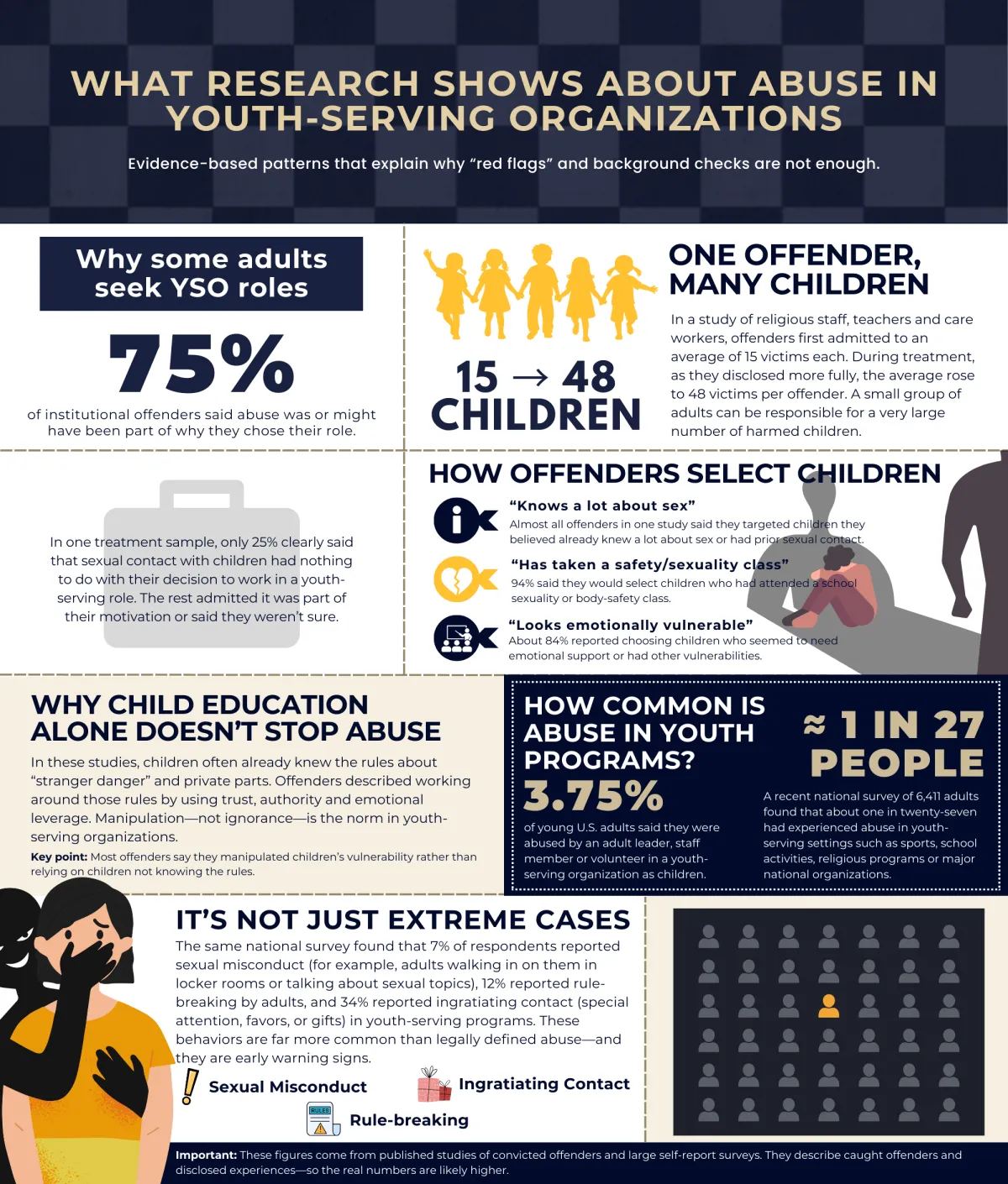
AIC Trends & Issues paper summarizing institutional offender motivation distribution and disclosure-based victim counts Australian Institute of Criminology
AIC study reporting 492 victims across 23 offenders and selection indicators Australian Institute of Criminology
CDC “About Child Sexual Abuse” (May 16, 2024) CDC
2024 nationally representative YSO-context prevalence paper (Assini‑Meytin et al.) safekidsthrive.org+2safekidsthrive.org+2
Copyright 2026. Jeffrey Donald Meyer. All Rights Reserved.
Jeffrey D. Meyer
FOLLOW JEFF
SOURCES
AIC Trends & Issues paper summarizing institutional offender motivation distribution and disclosure-based victim counts Australian Institute of Criminology
AIC study reporting 492 victims across 23 offenders and selection indicators Australian Institute of Criminology
CDC “About Child Sexual Abuse” (May 16, 2024) CDC
2024 nationally representative YSO-context prevalence paper (Assini‑Meytin et al.) safekidsthrive.org+2safekidsthrive.org+2
Copyright 2026. Jeffrey Donald Meyer. All Rights Reserved.