
Attorney | Author of Inverted Reality | Child Safety Advocate
Every Day, Parents Drop Their Kids Off at Schools and Other Youth-Serving Organizations.
And many wrongly assume robust safeguards exist to prevent a child predator from grooming and then sexually abusing them.
The reality: most sexual abuse prevention policies are aimed at what to do after a report of abuse is made. By that time—due to the secretive nature of this particular type of predator—dozens of children may have already been abused countless times.
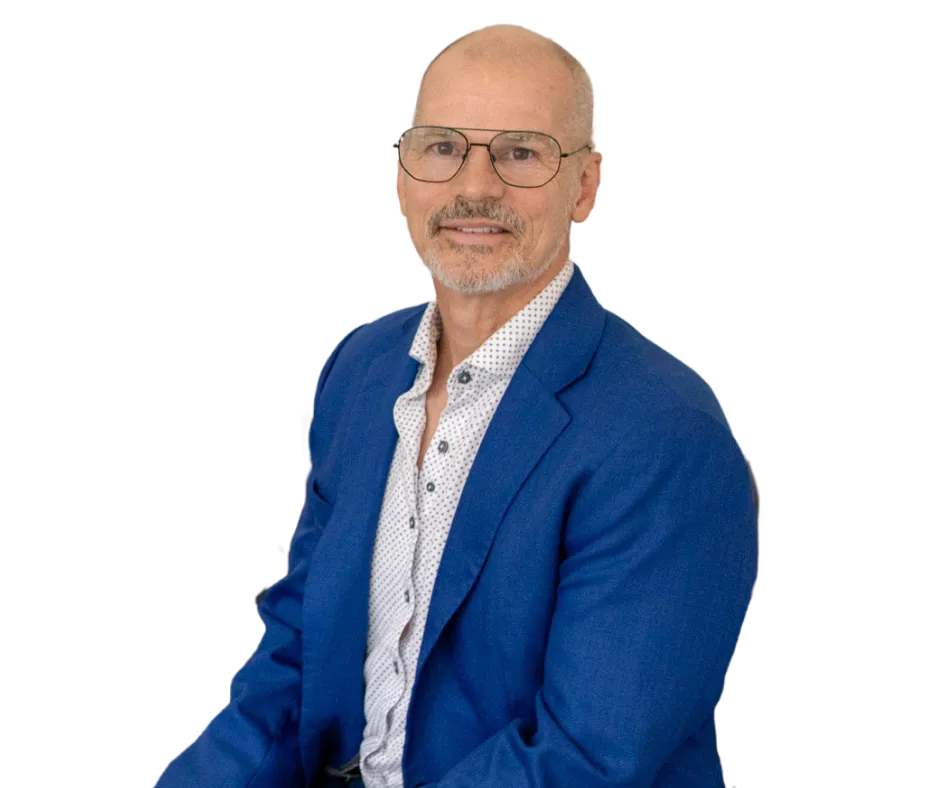
Jeff Meyer is focused on understanding and disrupting the root cause of sexual abuse at youth-serving organizations. He is an attorney licensed in Arizona, who has represented clients throughout the United States.
“After they’re caught, only about 1 in 4 institutional offenders say abuse had nothing to do with why they chose their role.”
Read that again—because it changes prevention.
If we keep designing safeguards for “rare accidents,” we will keep missing the fact that youth-serving organizations are a magnet for one of the most dangerous predators of children.
Source: In the cited UK sample summarized by the Australian Institute of Criminology, 25% said abuse had ‘nothing to do’ with their motivation; 15% ‘specifically chose’ the role to abuse; 42% said it was ‘at least part’; 20% were unsure.” Australian Institute of Criminology

Most YSO predators abuse dozens of victims before being caught.
Targeting is patterned, not random.
The vast majority of predators are known and trusted by the victim and their family.
Sexual Abuse Happens at Youth-Serving Organizations Because We Have Been Solving For the Wrong Problem.
Most institutions act like abuse prevention is a matter of catching a “bad apple” with a background check or waiting for “notice” or a red-flag about a specific abuser.
But the research and the case patterns show something else: offenders seek roles that give them access, trust, privacy, and repeat opportunity.

The Hidden YSO Sexual Predator
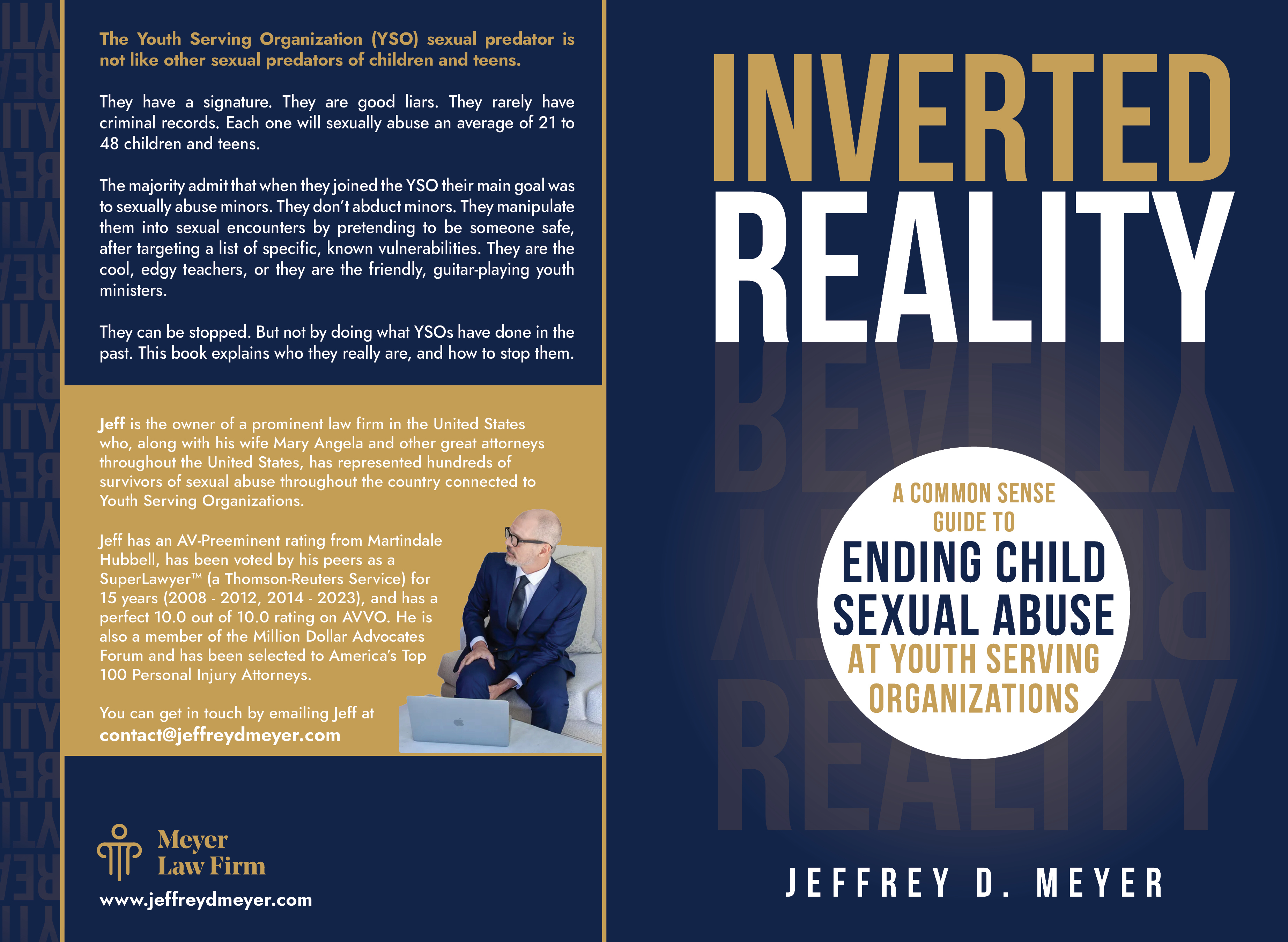
75% of predators in youth-serving organizations who are eventually caught admit - or refuse to deny - that they joined the organization in order to abuse children.
You almost never can't find them, they systematically blend in. They are teachers-of-the-year, they are not usually detectable.

The Average Number of YSO Abuse Victims
Studies show there's an average of 21.3 different victims for each youth-serving organization predator before they are caught.
In another sample, an initial 15 victims per perpetrator at assessment was raised to 48 victims admitted during treatment.
This means waiting for a report of abuse means many children will already likely have been abused, many times.
Reporting Is A Late Stage Sign of System Failure
85% of child abuse victims never report their abuse.
55-70% of survivors who do report the abuse delay reporting it.
40-50 years old: the average age of a survivor reporting childhood sexual abuse.
The Data You May Have Never Heard
21.3 average different victims per offender
In one institutional-offender dataset, perpetrators disclosed an average of 21.3 child victims (range 3–102).
Note: Disclosure usually understates the real count
In another sample, disclosures rose from 15 victims at initial assessment to 48 later during treatment.
16.2 years on average before a perpetrator is caught after they start abusing children
Research summarized by the Australian Institute of Criminology reports an average of about 16.2 years operating in youth-serving organizations before being caught (in that research, “caught” is generally tied to arrest/conviction). This only counts those who are caught, many are not caught.
3.75% of all adults were physically sexually abused in connection with a youth-serving organization, a place where non-parental adults come into contact and form relationships with children while parents or legal guardians are absent.
75% of all “caught” institutional perpetrators admitted, or at minimum refused to deny, that they joined the youth-serving organization specifically in order to sexually abuse someone else’s child.
Inverted Reality is when we trust the system… predators exploit it.

What We Assume
“If we do background checks, we’re safe.”
“It’s rare.”
“It’s one kid, one time.”
What The Data Shows
Almost all offenders have no prior conviction before institutional offending shows up.
The CDC’s current summary: at least 1 in 4 girls and 1 in 20 boys experience CSA—and ~90% is perpetrated by someone known/trusted.
When abuse happens in institutions, offender disclosures can involve dozens of victims before the predator is caught.
3.75% of the population report experiencing sexual abuse at a youth-serving organization, not grooming, but actual physical sexual abuse. And the actual rates of abuse may be even higher.
Victim counts like “21–48” are disclosure-based and can rise over time (e.g., assessment → treatment). They reflect what offenders disclosed, not an upper bound.

Meet Jeffrey D. Meyer
Jeff Meyer is a partner at Lanier Meyer McBride Blair LLP, where he represents survivors of sexual abuse and assault, holding institutions accountable for preventable harm.
He’s the author of Inverted Reality, which challenges the “notice/red flag” framework and argues for structural prevention in youth organizations.
“Sexual abuse cases are, for the most part, negligence cases—and in youth‑serving organizations that means prevention is a design problem.” — Jeff
Partner, Lanier Meyer McBride Blair LLP (national firm focused on representing survivors of sexual abuse and assault; survivor-centered / trauma-informed)
Author: Inverted Reality (written to shift the conversation from “notice” to primary prevention)
Media-ready: brings the research, real case experience, and clear language for general audiences
“If you’re a survivor, a parent, or a journalist trying to understand what institutions keep getting wrong—this is the conversation we need to have.”
Choose Your Next Step.
For Podcasts & Media
1) Request Jeff (topic + audience + preferred dates)
2) Get a 1‑page prep sheet (stats, definitions, safe language)
3) Record a conversation that actually helps prevention
For Survivors & Families
1) Speak confidentially with the firm
2) Investigate the institution’s failures
3) Demand accountability
If you’re in immediate danger, call local emergency services.
A Guest Who Can Explain the Data Without Sanitizing the Stakes.

What your audience will take away
Why “background check prevention” fails when many offenders have no record before first detection Australian Institute of Criminology
Why targeting is patterned (sexual knowledge cues + vulnerability cues) Australian Institute of Criminology+1
Why victim counts can explode as disclosure becomes complete Australian Institute of Criminology+1
What real prevention looks like: policies that remove privacy, isolate grooming channels, and enforce supervision (the “environment design” approach)
Jeff Meyer Wrote The
Book on Ending Child Sex Abuse at
Youth Serving Organizations
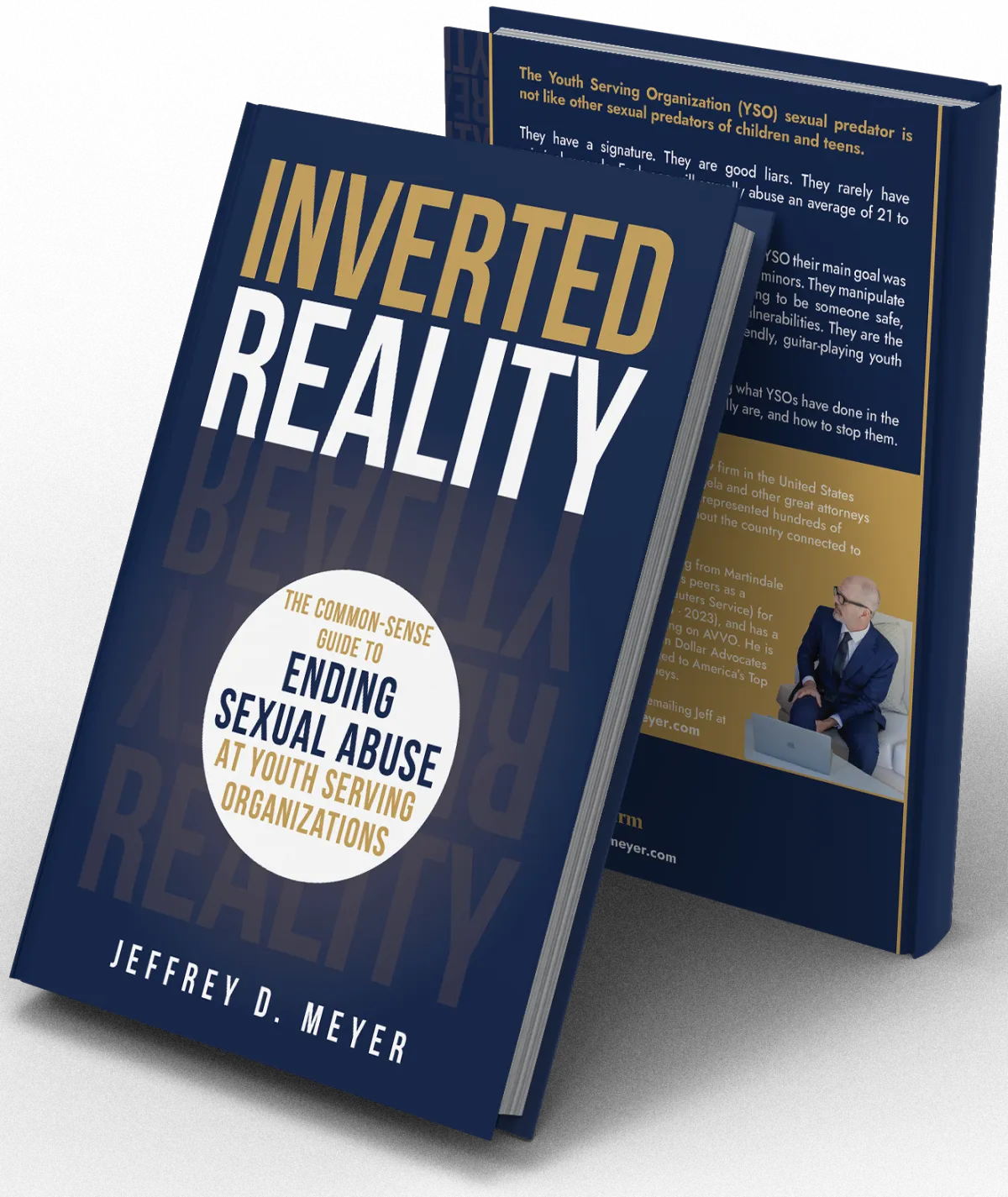
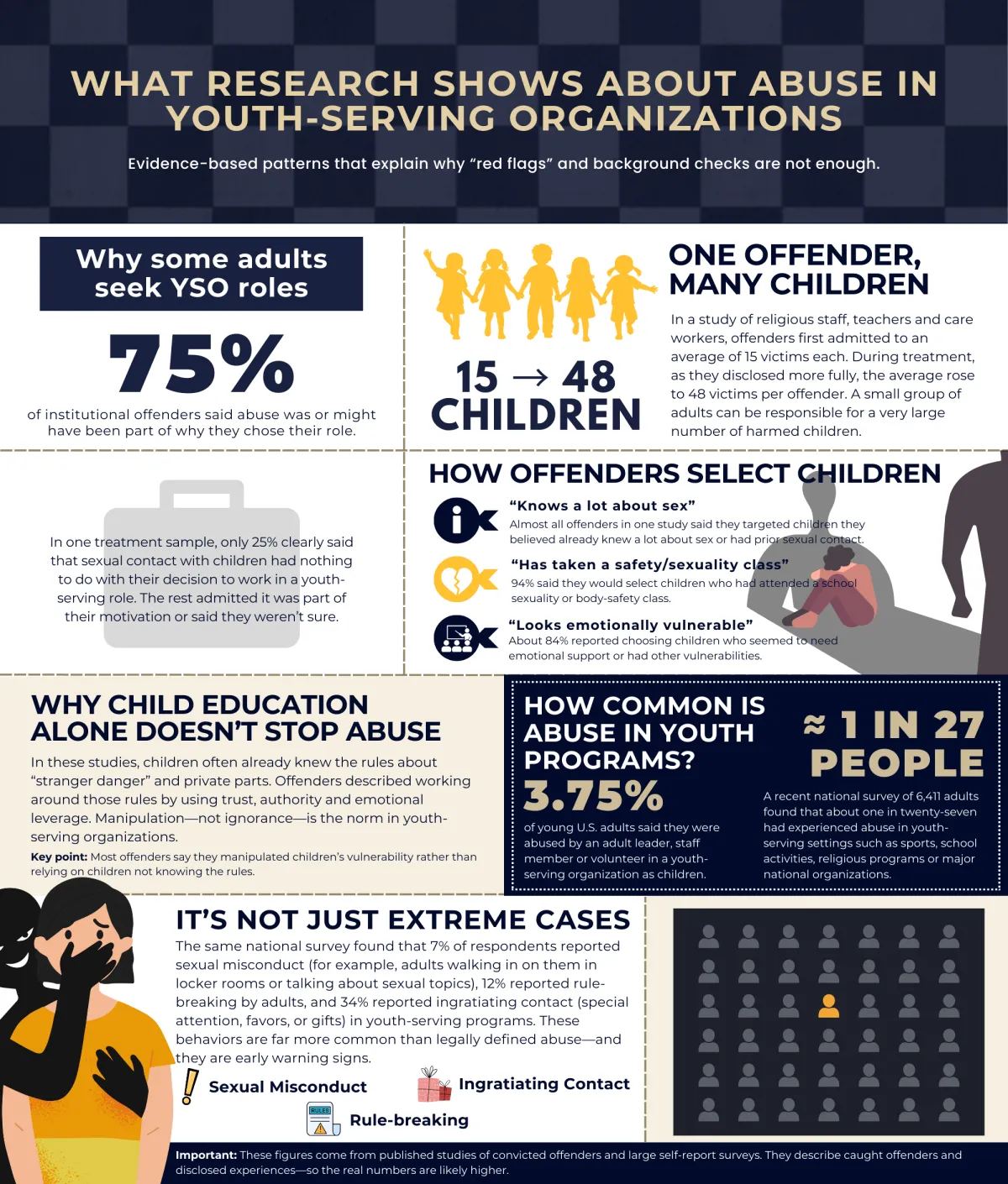
Inverted
Reality
By Jeffrey D. Meyer
A Revolutionary Guide To Protecting Children And Teens From Sexual Abuse At Schools, Religious Organizations, Camps, Sports Teams And Other Youth Serving Organizations. Written by one of our law partners.

1
Amazon New Release in Personal Injury Law

1
Amazon New Release in Personal Injury Law
1
Amazon New Release in Personal Injury Law
A Guest Who Can Explain the Data Without Sanitizing the Stakes.
What your audience will take away
Why “background check prevention” fails when many offenders have no record before first detection Australian Institute of Criminology
Why targeting is patterned (sexual knowledge cues + vulnerability cues) Australian Institute of Criminology+1
Why victim counts can explode as disclosure becomes complete Australian Institute of Criminology+1
What real prevention looks like: policies that remove privacy, isolate grooming channels, and enforce supervision (the “environment design” approach)
Who This Is For—and How It Helps Prevent the Next Case
For parents: how grooming and access work in real settings
For YSO leaders: prevention that’s enforceable (not performative)
For advocates: language + research to push back on institutional minimization
Inverted Reality
For parents: how grooming and access work in real settings
For YSO leaders: prevention that’s enforceable (not performative)
For advocates: language + research to push back on institutional minimization
“Preventing Child Sexual Abuse at Youth Serving Organizations is… a fixable problem.”
They Hid the Truth. We Uncover It.
When institutions minimize risk, survivors pay the price.
Lanier Meyer McBride Blair LLP was built to pursue these cases with survivor-centered, trial-ready standards. Glassdoor+1
FOLLOW JEFF


SOURCES
AIC Trends & Issues paper summarizing institutional offender motivation distribution and disclosure-based victim counts Australian Institute of Criminology
AIC study reporting 492 victims across 23 offenders and selection indicators Australian Institute of Criminology
CDC “About Child Sexual Abuse” (May 16, 2024) CDC
2024 nationally representative YSO-context prevalence paper (Assini‑Meytin et al.) safekidsthrive.org+2safekidsthrive.org+2
FOR MEDIA
FOR READERS
FOR SURVIVORS
Copyright 2026. Jeffrey Donald Meyer. All Rights Reserved.
Jeffrey D. Meyer
FOLLOW JEFF
FOR MEDIA
FOR READERS
FOR SURVIVORS
SOURCES
AIC Trends & Issues paper summarizing institutional offender motivation distribution and disclosure-based victim counts Australian Institute of Criminology
AIC study reporting 492 victims across 23 offenders and selection indicators Australian Institute of Criminology
CDC “About Child Sexual Abuse” (May 16, 2024) CDC
2024 nationally representative YSO-context prevalence paper (Assini‑Meytin et al.) safekidsthrive.org+2safekidsthrive.org+2
Copyright 2026. Jeffrey Donald Meyer. All Rights Reserved.